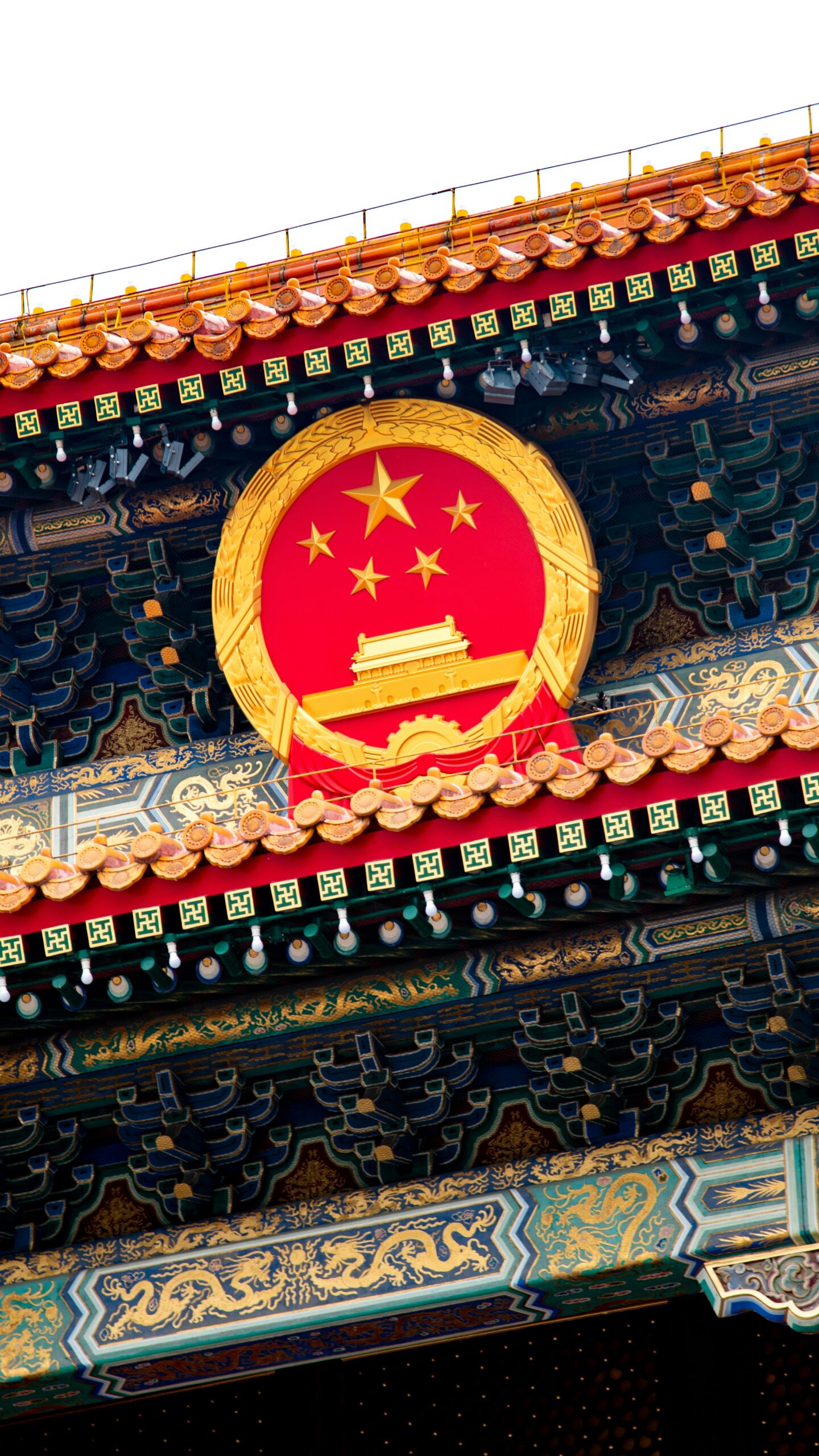
Politics & Governance
China is governed by a centralized political system that emphasizes long-term planning, stability, and administrative coordination. National policies are implemented through multiple levels of government, from central authorities to local administrations. This system plays a key role in shaping China’s social order, development strategies, and public institutions.
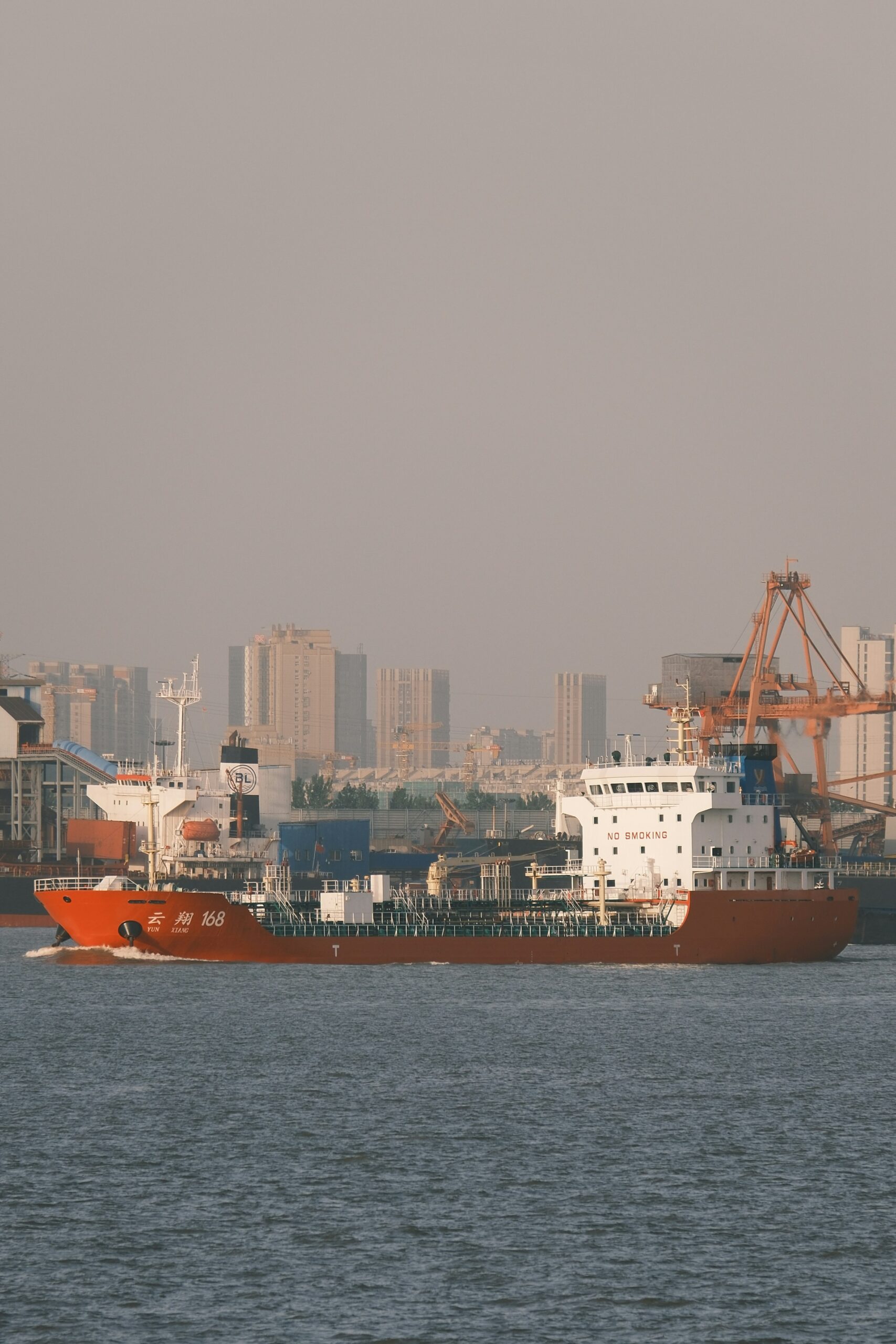
Economy & Development
China has one of the world’s largest economies and is a major hub for manufacturing, trade, and technology. Rapid urbanization, large-scale infrastructure, and global supply chains have driven decades of growth. Today, China continues to balance industrial expansion with innovation, consumption, and sustainable development.
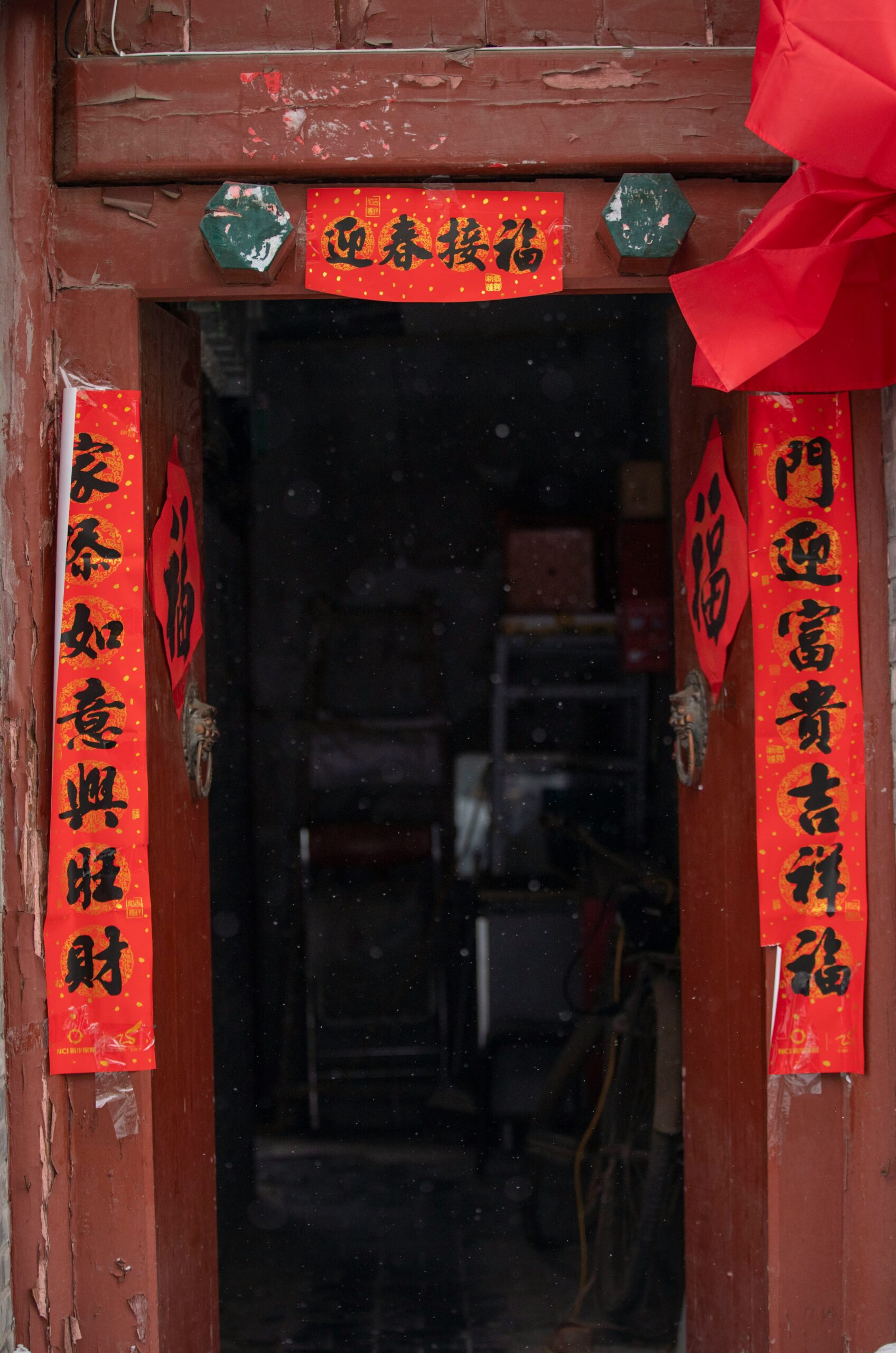
Culture & Daily Life
Chinese culture is shaped by a long history, strong family ties, and shared social values. Daily life varies widely between regions and cities, combining traditional customs with modern lifestyles. From festivals and food to work and education, everyday life in China reflects both continuity and change.